How to Pack Everything You Need in One Carry-On (2026 Comparison Guide)
This post may contain affiliate links. If you book through them, I may earn a small commission at no extra cost to you. I only recommend tools I personally trust and genuinely use for safe, smart, and confident travel.
Packing light often sounds easier than it is. Many travelers only realize something went wrong when they’re repacking at the airport or facing unexpected baggage fees at the gate.
For US-based women travelers—especially solo travelers and digital nomads—overpacking doesn’t just cost money. It slows movement, increases stress, and raises the risk of lost or delayed luggage. Carrying more than you need can also make travel feel physically and mentally heavier.
Underpacking creates a different problem. Missing climate-appropriate clothing, airline-compliant toiletries, or versatile outfits often leads to last-minute purchases that cost more and disrupt your plans.
This guide explains how to pack everything you need in one carry-on using a practical, comparison-based system. You’ll learn what works, what to avoid, and how to choose tools based on trip length, climate, and travel style—without relying on shortcuts or unrealistic promises.
Quick Comparison: Carry-On Packing Systems for One-Bag Travel
| Packing Method | Typical Cost | Space Efficiency | Organization | Best Use Case | Practical Signals |
|---|---|---|---|---|---|
| Standard Packing (No Tools) | $0 | Low | Poor | Short weekend trips | None |
| Basic Packing Cubes | $20–$35 | Medium | Good | Budget travelers | Widely reviewed |
| Premium Packing Cubes | $40–$70 | High | Excellent | Frequent flyers | Warranties, durability |
| Compression Bags (No Vacuum) | $25–$45 | Very high | Medium | Cold climates | TSA-safe designs |
| Hybrid System (Cubes + Compression) | $50–$90 | Maximum | Excellent | 7+ day trips | Long-term user reviews |
Airline Carry-On Size and Weight Limits 2026 (US Airlines)
Before choosing any packing system, it’s essential to understand airline limits. Even the best organization won’t help if your bag doesn’t fit airline requirements.
Standard US Airline Carry-On Limits (2026)
| Airline | Carry-On Size (inches) | Weight Limit |
|---|---|---|
| American Airlines | 22 × 14 × 9 | No limit |
| Delta | 22 × 14 × 9 | No limit |
| United | 22 × 14 × 9 | No limit |
| JetBlue | 22 × 14 × 9 | No limit |
| Frontier | 18 × 14 × 8 | 35 lbs |
| Spirit | 18 × 14 × 8 | 40 lbs |
Key takeaway: Budget airlines enforce size and weight more strictly. A carry-on packing system must compress volume, not just separate items.
Carry-On Packing List for a 7-Day Trip (Women Travelers)
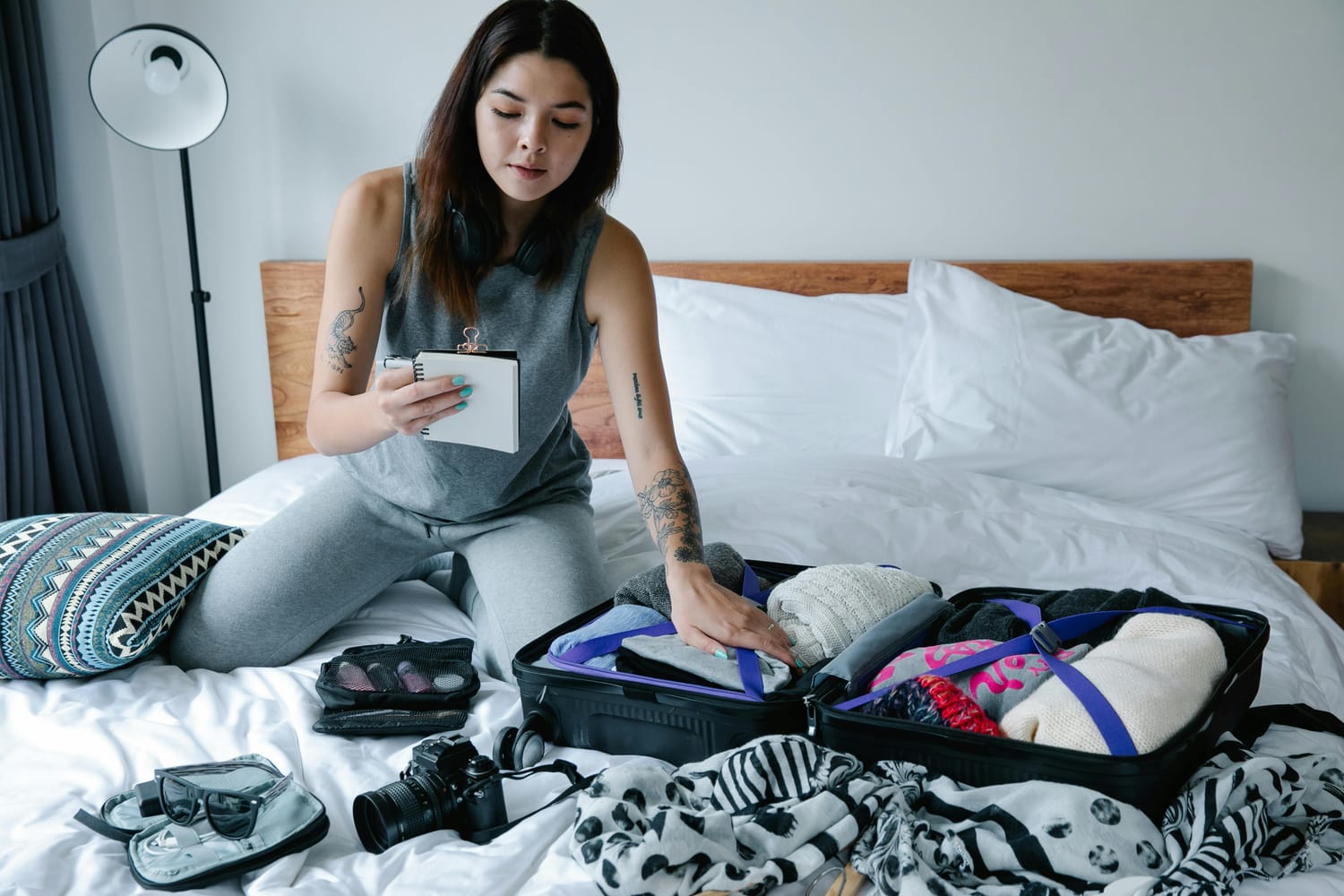
This list assumes access to laundry once during the trip and prioritizes versatility.
Clothing (Capsule-Based)
3 neutral, wrinkle-resistant tops
1 dress or jumpsuit
1 lightweight sweater or layering piece
2 bottoms (for example, pants and a skirt or shorts)
1 sleepwear set
1 activewear set
5–6 pairs of underwear
2 bras
1 compact jacket
1 pair of walking shoes
1 pair of flat sandals
Toiletries (100ml Rule Compliant)
Toothpaste (≤100ml)
Shampoo (solid or ≤100ml liquid)
Conditioner (solid or ≤100ml liquid)
Face cleanser (≤100ml)
Sunscreen (≤100ml)
Minimal makeup
Razor
Essentials
Passport and copies
Phone charger
Power bank
Compact day bag
Required medications
Packing Cubes and Compression Bags: Practical Comparison
Option 1: Standard Packing Cubes
What they do
Fabric organizers that separate clothing by category.
Advantages
Affordable
Simple to use
Immediate improvement in organization
Limitations
Minimal compression
Not effective for bulky items
Best suited for
Budget travelers
Warm-weather trips
Less suitable for
Cold climates
Long-term travel
Option 2: Premium Packing Cubes
What they do
Structured cubes with reinforced zippers and added durability.
Advantages
Better shape retention
Easier repacking during transit
Improved protection for delicate fabrics
Limitations
Higher upfront cost
Slightly heavier
Best suited for
Frequent flyers
Travelers carrying structured or delicate clothing
Less suitable for
One-time or infrequent trips
Option 3: Compression Bags (No Vacuum)
What they do
Remove excess air through rolling rather than vacuum sealing.
Advantages
Significant space savings
Effective for sweaters and outerwear
Limitations
Can wrinkle clothing
Slower access to items
Best suited for
Cold or mixed climates
Minimalist packers
Less suitable for
Business travel
Wrinkle-sensitive fabrics
Option 4: Hybrid System (Best Overall)
What it includes
Packing cubes for everyday clothing and compression bags for bulky items.
Advantages
Highest space efficiency
Clear organization
Scales well for 7–14-day trips
Limitations
Higher initial investment
Best suited for
Solo women travelers
Digital nomads
Longer stays
Less suitable for
Very short trips
Capsule Wardrobe Examples by Climate
Warm Climate Capsule
Linen or breathable tops
One neutral dress
Flat sandals
Lightweight cardigan
Suggested colors: beige, white, black, olive
Cold Climate Capsule
Thermal base layers
One insulating sweater
Puffer or insulated jacket
Ankle boots
Tip: Store outerwear in compression bags to manage bulk.
Mixed Climate Capsule
Layerable tops
Lightweight jacket
Scarf for warmth and versatility
Rule: Every item should work with at least three others.
Packing Toiletries Under the 100ml Liquids Rule
Choose solid shampoo and conditioner when possible
Decant liquids into clearly labeled 100ml containers
Use a single transparent quart-size bag
Pack liquids flat near the top of your carry-on
Avoid glass containers
Common mistake: Assuming “travel-size” automatically means under 100ml.
Choosing the Right System for Your Travel Style
Solo Women Travelers
A hybrid system offers the best balance of security, organization, and flexibility.
Long-Stay Travelers
Combine compression bags and a capsule wardrobe to manage volume over time.
Budget Travelers
Start with basic packing cubes and upgrade as needed.
Digital Nomads
Premium packing cubes withstand frequent packing and unpacking.
Frequently Asked Questions
Can you pack for 7 days in a carry-on?
Yes. With a capsule wardrobe, access to laundry, and compression tools, packing for 7–10 days is realistic.
Are compression bags allowed in carry-on luggage?
Yes, as long as they stay within size limits and don’t require a vacuum.
What is the most common carry-on packing mistake?
Packing single-use outfits instead of interchangeable pieces.
Do US airlines weigh carry-on bags?
Most major airlines do not, but budget carriers often do.
Final Recommendation and Next Steps
For most women travelers, a hybrid carry-on packing system paired with a climate-appropriate capsule wardrobe is the most practical and cost-effective solution.
This approach reduces fees, minimizes stress, and protects your belongings—without sacrificing comfort or personal style. It also scales well as travel plans change, from short trips to extended stays.
If you’re preparing for an upcoming trip, reviewing your current carry-on setup and upgrading only where needed can improve every future journey. Small, thoughtful adjustments now often prevent repeated frustrations later.
Latest Posts